Uptide Research Library
Scientific compound profiles, pathway analysis, research summaries and laboratory reference material — for educational and research purposes only.
Understanding Peptide Research
An introduction to what peptides are, how they function biologically and how to interpret the research in this library.
What is a peptide?
Peptides are short chains of amino acids — the same building blocks proteins are made of. Where proteins can contain thousands of amino acids folded into complex structures, peptides typically contain fewer than 50. The body produces hundreds of peptides naturally: insulin, oxytocin and growth hormone are all peptides. In research, synthetic peptides are designed to replicate or modify these naturally occurring sequences.
How do they work?
Peptides work by binding to specific receptors on or inside cells, triggering a cascade of downstream signalling events. The specificity of peptide–receptor binding is high: a given peptide typically acts on a narrow set of receptor targets. This specificity is why researchers study individual peptides for distinct biological systems — a GHRH analogue affects the pituitary growth hormone axis, while a GLP-1 receptor agonist modulates insulin secretion and satiety circuits.
Preclinical vs. clinical evidence
Most peptides in this catalogue have been studied primarily in cell cultures (in vitro) and animal models (in vivo, typically rodents). This is categorised as preclinical evidence. A smaller number have data from human trials, categorised as Limited Human or Human Clinical. This distinction is critical: effects observed in animal models frequently do not translate to humans with the same magnitude or mechanism. Absence of clinical trials does not mean a compound is ineffective — it means human evidence is insufficient to draw conclusions.
How to use this library
Each compound profile includes a research overview, mechanistic summary, associated signalling pathways, indexed study profiles and COA verification data. The Research Database contains peer-reviewed publications with summaries, methodology notes and limitations. Use the Compound Comparator to evaluate properties across multiple compounds, and the Evidence Matrix for a landscape view of what is preclinical versus what has human data.
Featured Compounds
Curated profiles from the Uptide research catalogue
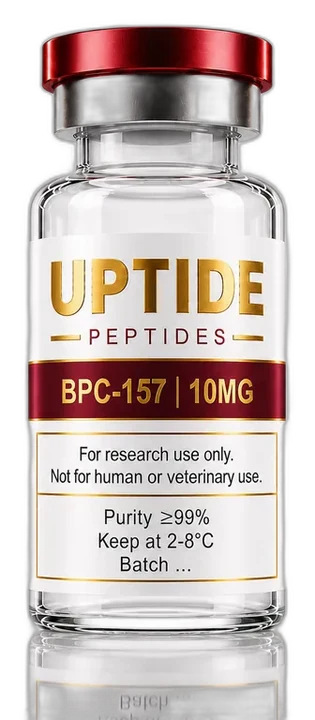
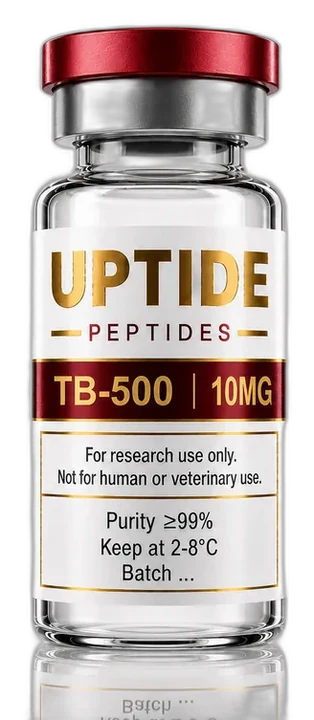
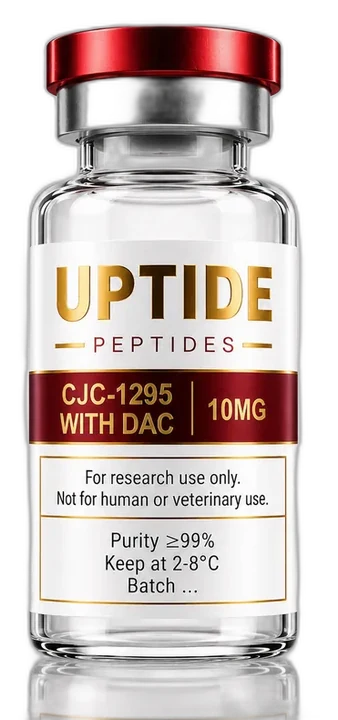
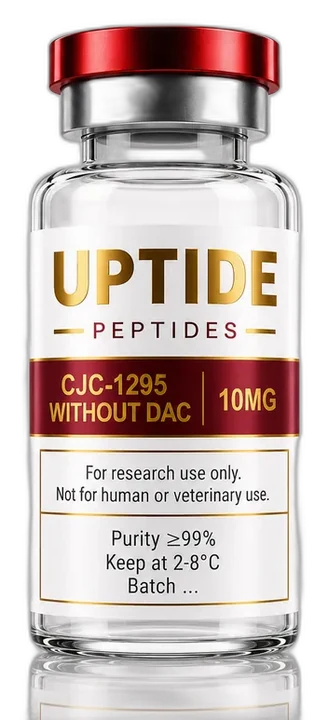
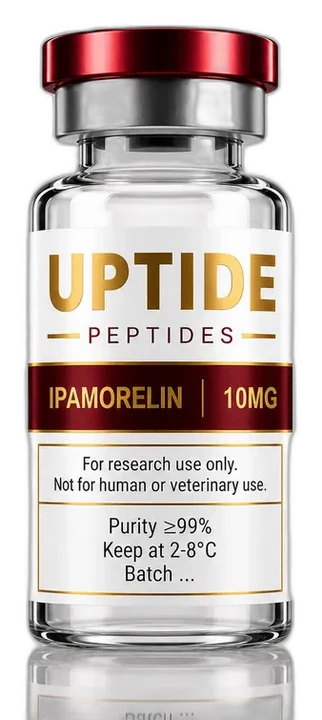
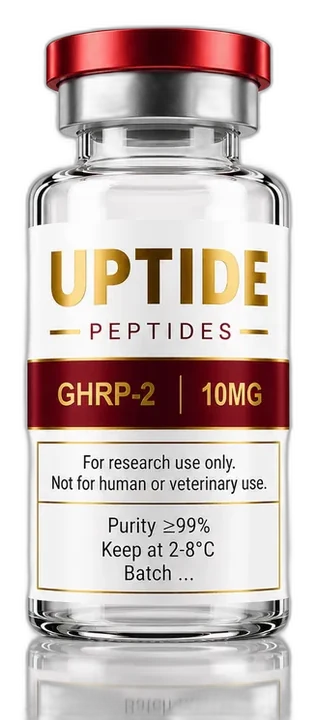
Trending Research Areas
Eight scientific domains tracked across the literature
Recently Added Publications
Latest entries in the research database
Interactive Pathways
Signalling diagrams investigated across the catalogue
Hypothalamic regulation of growth hormone and downstream IGF-1
Incretin pathway and cardiometabolic regulation
Pulsatile growth hormone secretion
MC1R–MC5R receptor family and downstream effects
MOTS-c, NAD+ and bioenergetic regulation
Research Tools
Laboratory calculators, verification and analysis utilities
Peptide amount, BAC water solvent, target sample quantity and U-100 volume scale reference.
Batch verification, Janoshik reports, HPLC and LC-MS viewers.
Ask scientific questions grounded in the Uptide catalogue.
Side-by-side comparison of molecular properties, evidence levels and research context across up to 4 compounds.
All 20 compounds mapped by evidence level and research area. Filter by tier or domain for a quick landscape view.
Publication history per compound. Visualise how research activity has evolved across years and areas.
Research Collections
Themed reading paths
Reference
Scientific terminology and study navigation